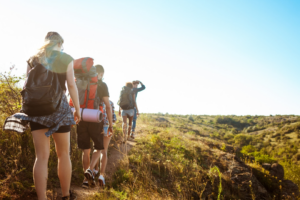
Standing at 5,895 meters (19,341 feet), Mount Kilimanjaro is Africa’s highest peak and the world’s tallest free-standing volcano. From lush rainforest and alpine desert to glaciers and snow-covered summit views, the mountain offers an incredible variety of landscapes and wildlife that you won’t find anywhere else in Africa.
Climbing Kilimanjaro is an unforgettable experience. Depending on the route and pace, it can be physically demanding, which is why proper preparation is essential for a safe and successful ascent.
Before You Travel to Tanzania
Well before your journey begins, make sure your travel documents and health preparations are complete. Visa requirements depend on your nationality, so always check current entry regulations for Tanzania.
Because Kilimanjaro lies within a diverse ecosystem, travelers should consult a medical professional regarding recommended vaccinations. Common travel vaccines may include yellow fever (if arriving from a risk country), hepatitis A, tetanus, diphtheria, and polio boosters. Travel insurance that covers trekking at high altitude is also strongly recommended.
Choosing the Right Route
There are several Kilimanjaro routes, each offering a unique experience. Selecting the right one depends on your fitness level, trekking experience, and preferred scenery. Our team at Getatos Safari helps you choose a route that balances challenge, safety, and enjoyment.
Marangu Route
Often considered a more gradual approach, this route passes through rainforest, moorland, and alpine zones before reaching the summit.
Machame Route
Known for its scenic beauty and adventurous spirit, Machame takes climbers through dramatic landscapes including the famous Barranco Wall.
Lemosho Route
A quieter and highly scenic trail starting from the western side of the mountain. It allows excellent acclimatization thanks to its gradual ascent profile.
Rongai Route
Approaching from the northern side, this route offers a different perspective and tends to be less crowded.
Londorossi Route
Ideal for those who enjoy nature and wildlife viewing along with the trekking experience.
Umbwe Route
A steep and demanding option best suited for experienced climbers seeking a true challenge.
Breathing and Acclimatization
As you gain altitude, oxygen levels decrease and your body must adapt. Practicing slow, steady breathing and maintaining a comfortable pace are key strategies. Professional Kilimanjaro expeditions always include safety measures, and trained guides monitor climbers closely throughout the journey.
Hydration and Nutrition
Proper hydration is critical at high altitude. Dry air and colder temperatures increase fluid loss, so drinking water regularly helps maintain energy levels and reduces the risk of altitude sickness. During your preparation, build the habit of consistent hydration and balanced nutrition.
Clothing and Equipment
Kilimanjaro crosses several climate zones, which means layering is essential. You may start in warm conditions and finish in freezing temperatures. Quality trekking boots, thermal layers, waterproof outerwear, gloves, and warm headwear are among the most important items for a safe climb.
Take Your Time
Most Kilimanjaro programs last between 7 and 10 days to allow for proper acclimatization. Moving slowly is not a sign of weakness — it is the safest and most effective way to reach the summit successfully while enjoying the journey.
The Getatos Safari Experience
At Getatos Safari, our local guides bring deep knowledge of Tanzania’s landscapes, culture, and mountain conditions. We focus on safety, responsible trekking, and creating a personal experience for every climber.
With the right preparation, professional guidance, and a spirit of adventure, your Kilimanjaro climb can become a life-changing journey. Visit getatos-safari.com to learn more about our trekking programs and start planning your next adventure.